

Brits collectively send and receive millions of parcels daily. But while parcel volumes continue to grow, consumer behaviour around how those parcels are delivered and collected is shifting rapidly, with new research revealing that 115 million retail parcels were sent via lockers in the UK between June 2024 and 2025.
Major retailer ASOS recently partnered with InPost to enhance its next-day delivery capabilities, while Amazon has expanded its own locker network to increase speed and flexibility. Smaller retailers are also starting to follow suit, signalling mass adoption and the need to embed these options as a standard within the delivery ecosystem.
Demand is being driven by converging pressures – rising expectations for quality services and accelerated by the need for ultimate convenience.
Last-mile friction points
To understand why people are opting for out-of-home over doorstep deliveries, we must explore the key issues faced in recent years.
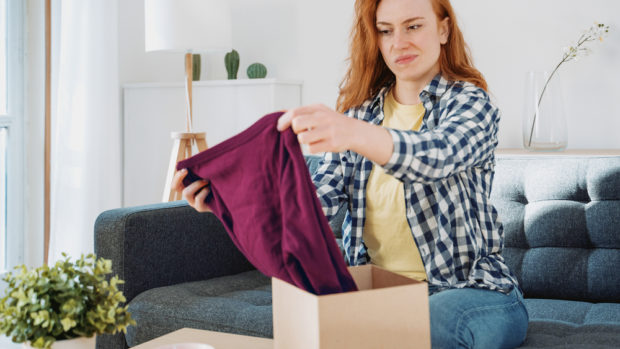
Recent research conducted by Citizens Advice highlights consumer issues like rising security concerns and failed deliveries. Around a quarter of Brits are either receiving them late, not in the safe place they requested them, or being left without them altogether.
Meanwhile, retailers face multiple challenges in the last mile. Getting the goods to the customer’s doorstep is not only the most expensive part of the supply chain but can also influence whether a customer returns.
Additionally, where speed was once the primary requirement, modern lifestyle and working habits mean that being at home for delivery is far less predictable, resulting in a need for efficiency and flexibility.
Control as a conversion driver
Out-of-home delivery is no longer a ‘backup option’, but a strategic lever for improving customer experience and efficiency. It’s the convenient option that gives consumers a sense of control.
In fact, over a quarter of shoppers are making purchase decisions based on the availability of OOH options. Many prefer those with 24/7 access and are willing to travel up to 1km to pick up their package.
As e-commerce continues to grow in popularity and retailers face issues with the last mile, it’s a strategic imperative that helps to ease cost pressures and satisfy the demand for convenience and flexibility. This inevitably helps brands maintain their reputation and loyalty.
Here’s how retailers can turn OOH into a competitive advantage:
1. Make it visible early in the customer journey
With retailers making purchase decisions based on delivery choice, ensure your locker or collection options are visible early on.
2. Leverage it during peak trading
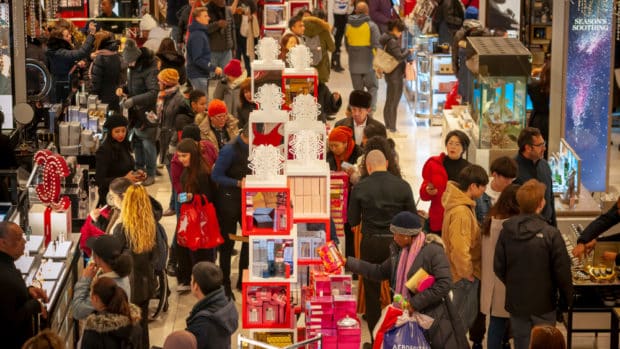
Black Friday, seasonal sales, and promotional periods are a strain on last-mile networks. Lean on lockers and collection points as an overflow capacity that fulfils delivery promises during the surge.
3. Position it as secure and sustainable
Use it as a marketing tool to alleviate security concerns while simultaneously embracing its sustainable advantages for ESG messaging.
4. Analyse postcode-level performance
Heavily urbanised areas are prime locations for OOH delivery. Segment the delivery options geographically to optimise cost and service performance.
Retailers that continue to treat doorstep delivery as the default risk falling behind. Out-of-home networks are no longer peripheral – they are becoming infrastructure. The brands that embed flexibility into their fulfilment strategy now will be the ones that protect both margin and customer loyalty in the years ahead.


Share