With calls for greater accessibility, a new poll of 6,000 disabled people reveals the brands loved by the community.
About 16 million people in the UK live with a disability. Collectively, disabled people and their households hold an estimated £274 billion in annual spending power, often referred to as the Purple Pound, according to disability equality charity Scope.
But where is that spending power going, and which brands are truly meeting the needs of disabled shoppers?
Purpl, a savings platform for disabled people, has a community of more than 6,000 members and asked its users to vote for the brands they believe are getting it right for disabled shoppers. Marks & Spencer claimed the top spot, followed closely by Amazon and Next.
The top five brands ranked by disabled people
- Marks & Spencer
- Amazon
- Next
- B&M
- Primark
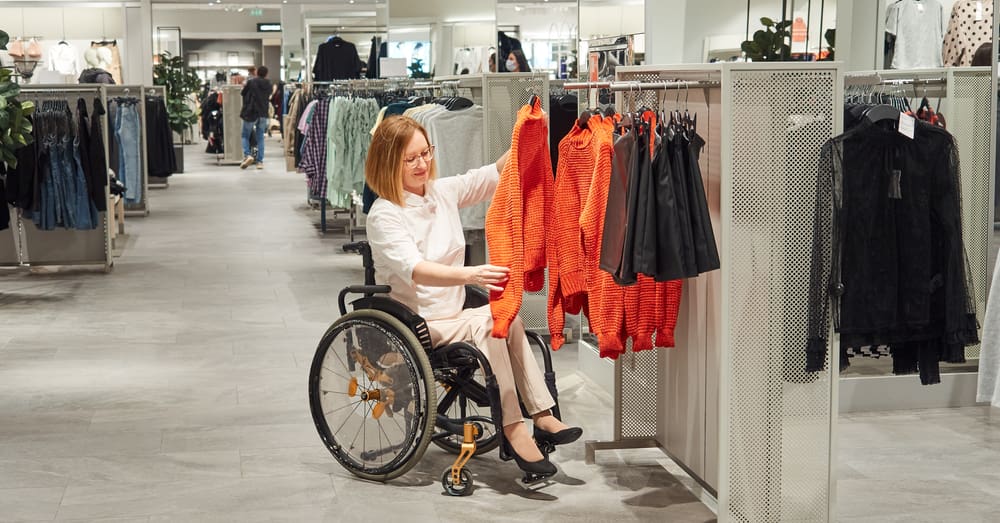
Respondents cited a combination of factors behind Marks & Spencer’s (M&S) first place ranking, with its wide aisles and level stores being considered a plus, especially for those with mobility aids.
M&S previously faced a discrimination case by a disability campaigner in Yorkshire, which prompted the retailer to make significant improvements to store accessibility. The changes included removing wire racks from beneath refrigeration units, applying anti-condensation treatments to fridge doors, and lowering door handles to make them easier to reach.
These adjustments appear to have delivered tangible results, with customers responding positively and rewarding the brand with increased loyalty.
Affordability and convenience were major drivers of support across the rest of the top five brands. Data shows that the average disabled household needs an additional £1,095, equivalent to £13,140 annually, to have the same standard of living as non-disabled households, according to Scope. As a result, many consider cost as a key factor in the brands they choose to support.
Given these financial pressures, Next, B&M and Primark were praised for their affordability, while Amazon, which ranked second, was also popular for its reliability and subscription services.
However, despite the positive feedback for leading brands, disabled consumers say there is still significant room for improvement across the retail sector. Data shows that eight in 10 retail websites have critical accessibility issues. For shoppers with visual impairments, cognitive disabilities or motor conditions, these barriers can make online shopping frustrating.
In-store shopping can also be tricky with narrow aisles, lighting, layouts and trolleys being a concern.
Georgina Colman, founder of Purpl, said: “What our community has told us loud and clear is that accessibility and inclusion directly influence where they choose to spend their money. Marks & Spencer topping this list shows that when brands invest in accessible environments, supportive staff and inclusive online experiences, disabled customers notice and reward them with loyalty.”
“As a disabled person myself, I know how tricky it can be to navigate retailers both in-store and online. Policies such as in-store returns, paid returns, long queues and poorly designed layouts can create additional barriers for people with mobility issues or other access needs. Some stores can be so dim that it’s difficult to navigate.
“I hope this poll shines a spotlight on the brands our disabled community values most, while also encouraging others to reflect, improve and prioritise accessibility.”





Share