
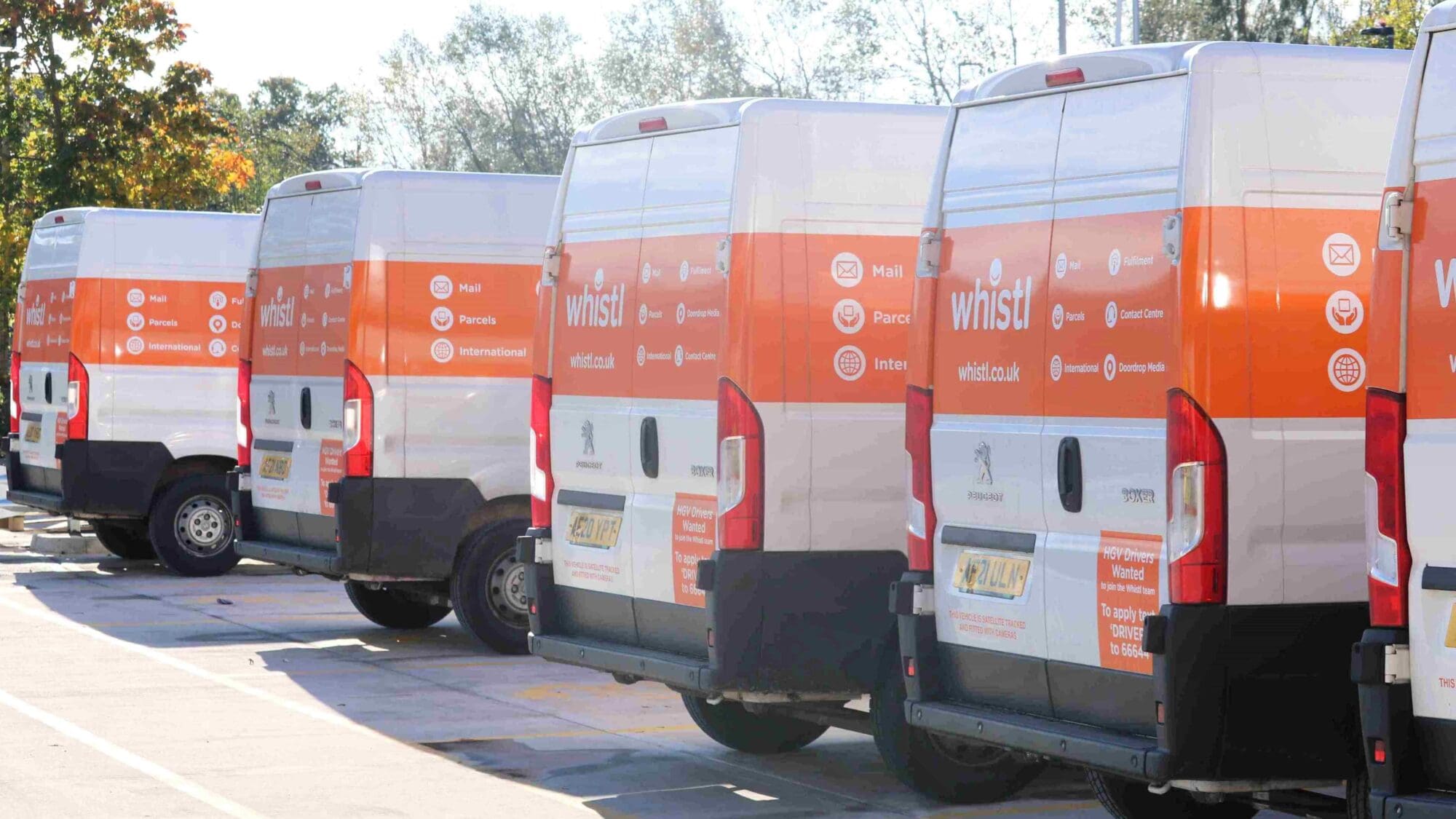
Growing consumer expectations around delivery performance are placing increased pressure on online fulfilment and parcel delivery services, according to new research from Whistl.
The study reveals that damaged or missing items, along with missed deliveries, remain the most common pain points for consumers. In addition, the quality of customer support plays a critical role in shaping the overall fulfilment and delivery experience.
When asked how retailers could improve the online shopping journey, younger consumers pointed to practical enhancements beyond delivery pricing. Key areas for improvement include more intuitive websites and apps, faster and more reliable delivery, flexible payment options, and clearer product information.
The research also highlights the impact of poor customer support in exacerbating delivery issues. Difficulty reaching a human representative, slow response times, and overly scripted replies were identified as major contributors to customer frustration, often turning operational challenges into reputational risks.
Whistl recommends several strategies for retailers, including expanding free delivery options through minimum spend thresholds or loyalty programmes, strengthening courier partnerships, and improving tracking transparency. Enhancing packaging and quality control processes to reduce damaged or lost items is also identified as a priority.
Additionally, the report underscores the importance of offering flexible delivery options, such as specified delivery windows, safe-place preferences, and local collection services, alongside improvements to website usability and checkout processes.
The full findings are detailed in Whistl’s report, “Ecommerce in 2026: The Search for Clarity and Convenience” here.
Ian Keilty, CEO of Whistl, said: “Retailers that successfully balance delivery cost, reliability, digital usability and responsive customer support are more likely to enhance customer satisfaction and build long-term loyalty.
“Understanding generational differences is key. Retailers should tailor delivery strategies to meet varying expectations, balancing speed and flexibility with cost-effective options. Those that prioritise the end-to-end customer experience will be best positioned to compete as online shopping continues to evolve.”




Share