
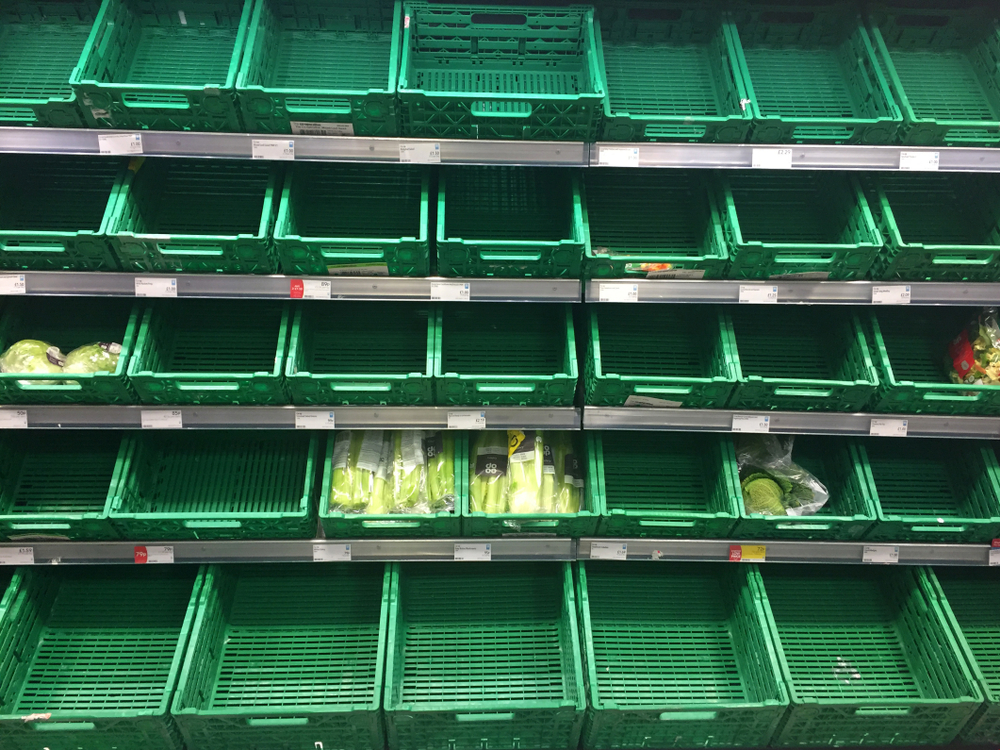
Original research of over 1,000 UK shoppers by invent.ai found that, on average, two-fifths (40 per cent) of consumers’ planned grocery shopping spend was unavailable or out-of-stock. Meanwhile, one in three (29 per cent) customers are noticing shelf gaps across fashion purchases when shopping in-store, with a further 23 per cent experiencing stockouts when shopping for apparel online.
As conflict in the Middle East delays £92 billion in shipping assets and disruptions to key trade routes slow the movement of goods globally, 54 per cent of UK consumers say they have experienced poorer on-shelf availability since tensions in the region began in February.
Seven in ten (69 per cent) say the out-of-stocks they are experiencing are directly linked to supply chain issues caused by the conflict in the Middle East, while 73 per cent believe grocery stockouts will become more common as global shipping disruption continues. More widely, six in ten (62 per cent) say sanctions and trade restrictions are limiting access to certain goods and contributing to lower on-shelf availability, while 49 per cent attribute out-of-stocks to climate change.
When it comes to grocery, over three quarters of shoppers (77 per cent) expect retailers to prioritise the availability of essential and everyday items, with a further 74 per cent expecting grocery retailers to offer suitable alternatives when products are out of stock. Failure to meet these expectations risks weakening customer loyalty and encouraging shoppers to switch to competitor brands, invent.ai’s research suggests. Over a quarter (27 per cent) question their loyalty to a supermarket brand when faced with shelf gaps, rising to 46 per cent of Gen Z and 39 per cent of Millennials, while 41 per cent would switch to another retailer.
Fashion shoppers were even less forgiving when it came to product availability, with 30 per cent saying stockouts made them less loyal to a brand and the same proportion (30 per cent) seeking alternatives from a competitor. An even greater number (42 per cent) would move their spend to a marketplace to find an alternative, while 45 per cent would abandon their purchase with a brand and search on re-sale platforms like Vinted to try and find the item, rising to 64 per cent of Millennials.
“While shoppers understand – and in many cases are sympathetic to – the supply chain challenges retailers are facing at macro-level, their expectations remain unchanged: products need to be available at the right time, in the right place and through the channel they prefer,” said Lukas Fischer, sales director at invent.ai. “When items aren’t available, shoppers won’t hesitate to switch retailers, brands or channels.
“In a trading environment where disruption and complexity are now the norm rather than the exception, retailers need to move beyond reactive inventory management and build greater agility, visibility and responsiveness into their planning processes to protect sales and strengthen long-term customer relationships,” Fischer concluded.







Share