
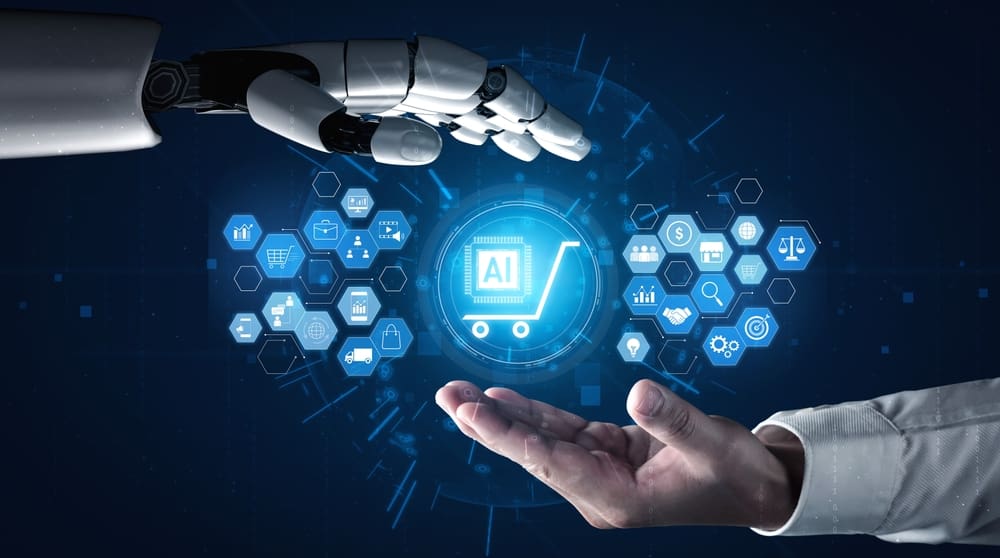
More than one in four UK consumers (26 per cent) have bought a product recommended by an AI assistant, according to new research from SAP Engagement Cloud. The findings reveal how artificial intelligence is becoming a powerful new influence on how consumers discover, evaluate and shortlist brands, challenging the traditional role of search, advertising and word of mouth.
The research, which surveyed over 2,000 UK shoppers also finds that a third of UK consumers (33 per cent) have already used AI to inform purchasing decisions. Nearly a quarter (23 per cent) now trust AI recommendations more than advice from friends and family.
It represents a structural shift in how brands get chosen and a new form of competition most organisations have not yet designed for. When AI evaluates a brand, it does not see the advertising. It evaluates the substance: product quality, reliability, service record. The shortlist is being drawn up before a brand’s marketing has had a single conversation with the customer.
What earns a place on that shortlist and what earns loyalty, however, are two different things. Almost two-thirds of UK consumers (63 per cent) say they are more loyal to brands that make them feel personally valued. More than half (53 per cent) cite product quality as a primary driver. Nearly seven in ten (69 per cent) say they have a favourite brand they love and trust. The fundamentals of loyalty have not changed. AI has created a faster, more unforgiving route to the moment where they are tested.
When brands are tested and fail, customers leave and they leave fast. Nearly half (47 per cent) have already switched from a brand they were previously loyal to following a poor customer experience. In a world where AI has made comparison instant and friction-free, the cost of that failure compounds. Every poor experience is one more data point in the system evaluating your brand on behalf of the next customer.
“AI may be very good at putting a brand on the shortlist, but marketers should not confuse visibility with loyalty,” said marketing expert Mark Ritson. “It can’t compensate for a poor product, weak value or a bad customer experience. Those fundamentals still determine whether someone comes back.”
This tension between AI-driven discovery and enduring human loyalty took centre stage at B2B WorldFest this week, where Mark Ritson and fellow marketing heavyweight Tom Goodwin debated whether AI is fundamentally changing customer behaviour or simply changing the infrastructure through which that behaviour plays out.
Sara Richter, CMO of SAP Engagement Cloud, sees the distinction as commercially critical. “AI isn’t just changing how businesses sell. It’s changing how businesses get chosen and how fast they can lose what they’ve built. Customers judge brands through the everyday moments that follow discovery: is the product actually in stock? Does the offer reflect what this customer cares about? If something goes wrong, can customer service see what has already happened and put it right?
“Connecting customer insight with operational data helps businesses join those moments together and act quickly when the experience falls short. Getting onto the AI shortlist is the beginning, not the prize. Loyalty is built or lost in everything that comes after.”





Share