
Fluent Commerce, a provider of Order Management software (OMS), has released the findings of its second annual Retail Resilience study, which found that the cost of living crisis is the biggest challenge facing 56 per cent of retailers.
Nearly a third of respondents said they were ‘concerned’ for their business this year, up from 15 per cent in 2024. In addition, while 93 per cent of retailers expected business growth in 2024, only 81 per cent of retailers now believe this is the case.
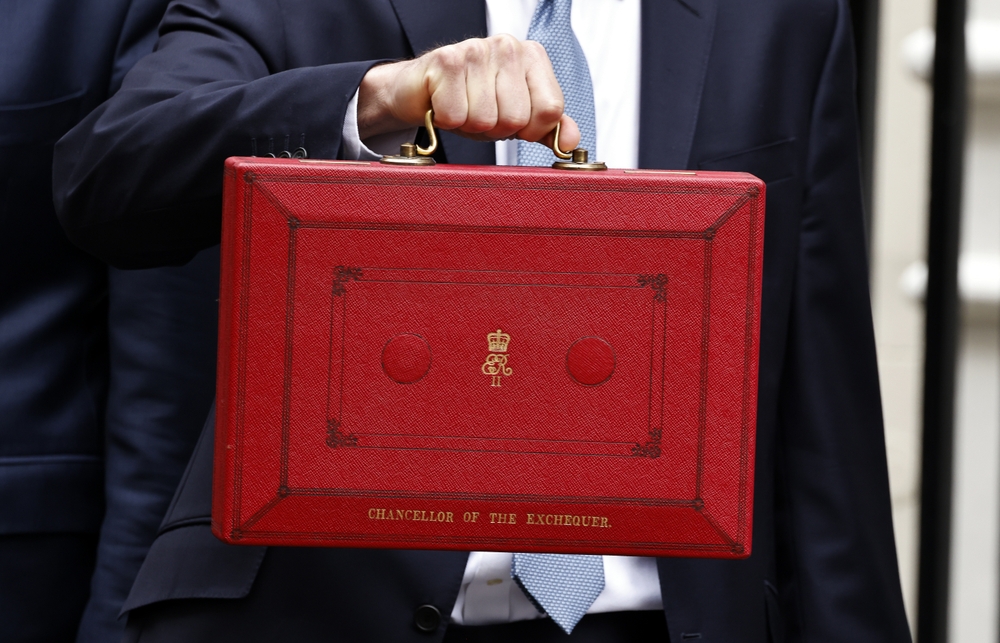
The survey of more than 100 retail professionals was conducted at the Retail Technology Show, one week after Chancellor Rachel Reeves’ spring statement. In response, 64 per cent of respondents said the government has not put enough measures in place to support retailers, with a quarter answering that government policies are harming the retail industry.
“Buying behaviours have evolved, with consumers now prioritising essential purchases over discretionary spending. This shift is prompting retailers to adapt their strategies to remain aligned with their customers’ needs,” explained Rob Shaw, GM EMEA at Fluent Commerce.
“At the same time, businesses are navigating increased operational costs, including recent rises in National Insurance contributions. While these changes present challenges, they also underscore the importance of innovation and agility in today’s retail environment.”
Ongoing supply chain pressures
The survey underlined the fact that supply chain disruptions have continued to be a headache for retailers over the last few months. One-fifth of retailers named the threat of US trade tariffs as one of their biggest current challenges. Ongoing issues like the Panama Canal disruptions have impacted four-fifths of retailers, with 8 per cent of respondents labelling these disruptions as ‘severe’.
When asked about the biggest concerns stemming from these disruptions, 30 per cent said having to incur higher costs due to rerouting orders, 28 per cent noted having large amounts of stock unavailable online, and 27 per cent were concerned about having to increase prices due to rerouting orders.
However, these challenges have offered an opportunity to boost supply chain resilience. In response to these complications, 26 per cent of retailers have looked to make their supply chain more resilient, with over one-fifth already implementing changes.
To do so, 43 per cent retailers looked at diversifying their suppliers, and 43 per cent looked into sourcing goods from local suppliers. 31 per cent also explored re-routing goods through safer but more costly routes. 9 per cent said they hadn’t yet looked into different sourcing or fulfilment options but might do so if disruptions continue.
Impact of outdated technology
According to the survey, another key pressure facing today’s retailers is keeping up with new technologies – with 36 per cent of respondents naming this as a key challenge. Diving into their specific technology pain points, one third of retailers are concerned about implementing new technologies like AI and 32 per cent said delivering a seamless omnichannel experience.
Only 28 per cent of retailers said they had real-time inventory visibility across their supply chain – a drop from 45 per cent in 2024. Poor visibility is causing problems for over two-thirds (68 per cent) of retailers, with 29 per cent saying it caused significant problems. Over a third of retailers also noted that poor inventory visibility made it challenging to deliver on customer experience.
“Retailers are navigating a rapidly evolving technology landscape, and one of the most pressing challenges is gaining better visibility into their inventory. Without real-time data, it becomes increasingly difficult to deliver the kind of seamless, responsive customer experience that today’s shoppers expect. The drop in inventory visibility from last year highlights just how crucial this area has become,” Shaw said.
“Now more than ever, it’s important for retailers to step back and assess how their inventory is managed and shared across systems. Having a clearer view of what stock is available—whether in store, in transit, or in back order—not only supports better customer communication but also helps avoid common pitfalls like overpromising or missing delivery expectations. This isn’t just about technology for technology’s sake. It’s about enabling smarter decision-making, building resilience into operations, and ensuring retailers are better equipped to handle uncertainty.”
When asked about their leading strategic priorities for the next five years, investing in new technology remained the top priority for 62 per cent of respondents. Other priorities were investment in product innovation (34 per cent), sustainability initiatives (34 per cent) and expansion into new markets (29 per cent).






Share