

According to today’s data, retail sales volumes are estimated to have risen by 0.7 per cent in March 2026, following a fall of 0.6 per cent in February 2026 (revised down from a 0.4 per cent fall), and a rise of 1.8 per cent in January 2026 (revised down from a 2.0 per cent). Fuel sales rose sharply on the month as motorists stocked up ahead of rising prices.
However, excluding automotive fuel, total retail sales rose by a modest 0.2 per cent on the month.
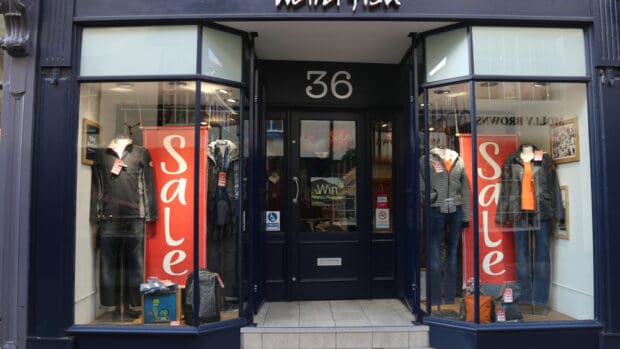
Clothing stores’ sales volumes rose, a trend retailers attributed to improved weather. Computer and telecoms stores, and non-store retailers, saw an increase in sales volumes as retailers reported new product launches.
Phil Monkhouse, UK Country Manager at global financial services firm Ebury, said: “Excluding fuel sales, March’s retail sales figures show a modest lift in activity, with the Easter holidays and better weather giving spending a short-term boost – however, it looks like this mild rebound may be short-lived.
“Inflation is ticking up again, and with some economists now pricing in Bank of England rate hikes, consumers are tightening their belts. Higher borrowing costs and rising bills are eating into disposable income, while UK consumer confidence has been knocked by the Middle East, clouding the outlook for consumer spending and future sales growth.”
“Meanwhile, retailers are still battling headwinds on costs, from supply chain disruption and elevated input prices on energy, transport, commodities and insurance, to rising wage pressures driven by increases in the National Minimum Wage and wider employment costs.
“Against this backdrop, retailers need to batten down the hatches for a prolonged period of volatility, focusing on strong financing access, tighter currency risk management, and sharper operational efficiency as uncertainty persists.



Share