
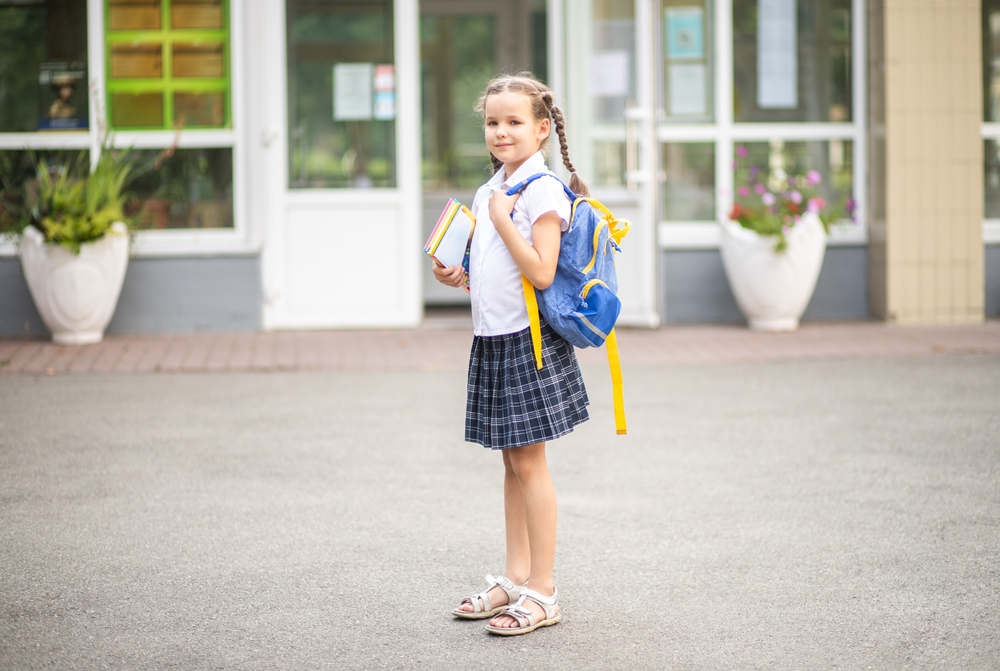
The new academic year is the first since the Children’s Wellbeing and Schools Act came into force, capping the number of branded uniform items that schools can require in uniform policies. In England, schools can only require three items with a school logo, plus a tie for secondary schools.
With families now free to buy non-branded alternatives, they have been able to purchase more items from supermarkets and high-street stores rather than directly through schools or uniform specialists. These retailers have spent the summer getting school supplies out to customers, but now need to prepare for many of those products to be sent back.
There are several reasons why back-to-school purchases could be returned in the coming weeks, including:
-
Sizing: Shoes and clothes that fit just right in July might now be too small by September
-
Wrong items: Some parents will find out on the first day of school that they have bought the wrong equipment or uniform
-
Discomfort: An item that seemed fine in the changing room might turn out to be too uncomfortable or unsuitable after a full day of school
-
Duplicate purchases: Parents may buy more than needed to feel prepared, then decided they would rather have the refund
-
Wear and tear issues: Items that are damaged quickly, such as shoes that break or trousers that tear, may be returned by disappointed parents that expected durability
Liselotte Reijrink, Sales Director UK & EU at ReBound Returns, explained:
“Retailers need to be ready not only for the quantity of returned items, but also returns where it’s hard to distinguish genuine returns and something that has been worn already, such as shoes worn for a day. It’s important to have a process in place that can distinguish a genuine fit or quality issue from a product that has been used and then returned.”
Some retailers offered a longer returns window for school purchases, such as Matalan, which offers an extended 100-day returns window for school items.
Research carried out by ReBound Returns found that two-thirds (67 per cent) of shoppers check a returns policy before making a purchase.
Liselotte Reijrink added: “For many families, school uniform shopping is a stressful chore with financial and time pressures, and it can be an emotional time, too. The new legislation may have given them more choice, but could also introduce uncertainty about what to choose, where to buy from, and whether they’ve bought the right stuff. Parents and carers want to feel certain that they can easily exchange something that doesn’t work for their child, and that refunds will be quick enough for them to purchase something different. In coming years, we will increasingly see returns policies used as a sales tool.
“The school bells don’t signal the end of back-to-school shopping, because many parents will be trying to source last-minute uniform items they have forgotten to buy or that need replacing, with much of the stock already sold out. They may also be trying to take advantage of back-to-school sales. The retailers that thrive during this new academic year will be those that make returns feel safe and easy for customers, while also getting the returned items back to stock in time for resale, to recover value while back-to-school demand is still high.”





Share